The Importance of Hair Thinner Combs in Grooming


Intro
In the realm of grooming and personal style, oftentimes, it's the small tools that bring substantial change. Hair thinner combs are prime examples, designed not just to untangle but to shape and refine one’s style. These tools, sometimes overlooked on the shelves of barber shops or tucked away in drawers, hold a unique position in modern grooming regimens. With the rising importance of tailored looks and individual expression, understanding the intricate role of hair thinner combs becomes essential.
The modern man and woman alike are seeking versatile ways to manage their locks effectively. The hair thinner comb, while seemingly simple, allows users to achieve varying textures and styles effortlessly. Styling is no longer restricted to just a blowdryer and a pair of scissors; with a skilled application of a hair thinner comb, countless looks await those willing to explore.
Let’s delve deep into the dynamics of these tools, from their history to their practical application and benefits. This guide offers not just the foundational insights, but also advanced techniques for those looking to elevate their grooming game.
Understanding Hair Thinner Combs
Hair thinner combs are specially designed tools that help in reducing bulk without altering the overall length of the hair. They incorporate a series of teeth that alternate between thick and sparse, allowing for precise thinning in specific areas.
Historically, these combs have evolved significantly. Early versions date back to the days of manual hairstyling, often using rudimentary materials. Today’s models are crafted with advanced innovations and ergonomic designs, catering to diverse hair types and styles. From textured curls to sleek layers, the versatility of hair thinner combs is impressive.
Techniques for Using Hair Thinner Combs
To maximize the benefits of hair thinner combs, employing the right technique is pivotal. Here are some methods:
- Sectioning: Divide hair into manageable sections to ensure even thinning.
- Angle Approach: Hold the comb at a slight angle, which can produce a softer look rather than a blunt finish.
- Gradual Thinning: Start with small sections and test how much thickness to remove; it’s better to take less than more.
User Considerations
Not every hair type is the same, and it's essential to consider texture, density, and length before using a hair thinner comb. Individuals with fine hair may experience increased volume and lift, while those with thick locks can achieve a more layered appearance.
"Using a hair thinner comb is like using a sculptor's chisel; it requires a keen eye for detail and an understanding of the overall structure."
Maintenance of Hair Thinner Combs
Regular upkeep ensures the longevity and performance of hair thinner combs. Simple steps include rinsing off hair and product residues after each use and storing them in a protective case to prevent warping. Regularly checking for broken teeth and ensuring they remain sharp will keep your grooming toolkit in top shape.
Intro to Hair Thinner Combs
In the fast-paced world of beauty and grooming, where first impressions often count the most, hair thinner combs have carved out a notable niche. These ingenious tools assist not just in achieving a sleek look, but they also play a critical role in the art of hair styling. To the untrained eye, they may look like ordinary combs, yet their distinct purpose elevates them beyond the commonplace.
Definition and Purpose
Hair thinner combs, often known simply as thinning combs, possess a unique mechanism designed to reduce hair volume without compromising length. They serve the dual function of styling and texturizing hair, making them indispensable for those seeking control over their mane. Unlike traditional combs, which can often end up flattening hair or creating unwanted bulk, thinner combs allow for precision. These tools come equipped with varying teeth sizes and placements that create layers and movement in the hair, marrying technique with artistry.
The purpose behind their design is to ensure that individuals can achieve a more manageable hairstyle, lending itself particularly well to those with thick or curly hair types. They create more lightness and airflow, resulting in hair that not only looks good but feels fresher.
Historical Overview
Going back in time, the concept of thinning hair is not a modern marvel; even ancient civilizations recognized the need for refined grooming practices. In fact, rudimentary forms of hair thinning tools date back to Egypt, where early beauticians wielded crude instruments made of metals and carved stones.
As grooming standards evolved, particularly in the late 19th and early 20th centuries, barbers and stylists in Europe started using more specialized tools for thinning hair. By the mid-20th century, the introduction of the modern hair thinner comb revolutionized personal grooming.
"History teaches us that the pursuit of beauty is as old as civilization itself."
With advancements in materials and design, today’s combs are crafted from a variety of materials such as plastic, metal, or even eco-friendly alternatives, catering to a diverse audience. The journey is a testament to how grooming practices have not only mirrored cultural attitudes towards beauty but have also adapted to consumer needs.
Throughout the decades, the popularity of hair thinner combs has surged, making their presence felt in salons and personal grooming kits alike. They have evolved from being a mere fad to a must-have tool in any serious stylist's toolkit, showcasing how practicality and design can coalesce to serve modern grooming needs. Their relevance is affirmed in today's fast-evolving beauty industry, where flexibility and adaptability in styling are paramount.
The Design of Hair Thinner Combs
The design of hair thinner combs plays a crucial role in their efficacy and usability. A well-crafted comb can mean the difference between a smooth style and a botched haircut. When we look at the specifics, the materials and physical traits become key players.
Material Composition
Hair thinner combs are typically made from a variety of materials, each with its own set of advantages and drawbacks.
- Plastic: Lightweight and affordable, plastic combs are ubiquitous. They are easy to clean and maintain, but can lack the precision needed for finer thinning tasks.
- Metal: These combs often provide a firm grip and durability. However, they can be heavier and not always suited for all hair types.
- Wood: Made from natural materials like bamboo, wooden combs are gentle on hair and can help reduce static. Yet, they may require more care to prevent damage.
- Carbon Fiber: This material is gaining popularity due to its resistance to heat and chemical processes, making it ideal for salon professionals. It’s sturdy yet lightweight, allowing for both comfort and precision.
Choosing the right material involves understanding one’s hair type and the desired outcome. For instance, fine hair might benefit from a softer plastic comb, whereas thicker hair could require a sturdier metal option.
Physical Characteristics


To make the most out of hair thinner combs, one must consider their physical characteristics, which significantly influence the user experience.
- Teeth Design: The spacing and sharpness of the teeth are vital. Wider-spaced teeth can handle bulkier sections of hair efficiently, while tighter-knit teeth can create a softer look by blending layers.
- Width and Length: The size of the comb affects maneuverability. Longer combs can cover larger areas faster, ideal for thick hair, whereas shorter combs allow for precision and control in detailed areas.
- Handle Design: A well-designed handle can enhance grip and comfort during use. Rubberized handles often prevent slippage, ensuring a firm hold throughout the thinning process.
In essence, the thoughtful design of a hair thinner comb can lead to enhanced functionality and better results.
"Choosing the right comb is as important as selecting the right scissors; both play a significant role in achieving that stylish look."
By understanding and selecting the appropriate materials and features, users can leverage hair thinner combs to their fullest potential.
Understanding How Hair Thinner Combs Work
Hair thinner combs often hold a misunderstood corner in grooming discussions, yet they pack a punch when it comes to styling and maintenance. Understanding how these tools work is essential for anyone looking to elevate their grooming game. The mechanics behind hair thinning don’t just alter aesthetics; they profoundly impact the manageability and volume of hair. A correct grasp of how these combs operate can improve results, making the whole process more efficient and effective.
Mechanics of Thinning Hair
The mechanics of thinning with these combs rests largely on their design. Teeth on a thinner comb are spaced more widely than standard combs. This allows for a unique interaction with hair, where strands can slip through without excessive pulling. Essentially, as a stylist glides the comb through the hair, it selectively removes bulk without sacrificing length. This method is different from shearing, where scissors often remove hair in a linear fashion, potentially causing a choppy look.
Utilizing a hair thinner comb helps in creating texture and layers that can enhance the overall hairstyle, giving lifeless locks a new lease on life. Moreover, the process can provide subtle adjustments, softening harsh lines and creating a more natural appearance, making it an invaluable tool for those aiming for nuanced styles.
Techniques for Effective Use
Direction of Use
The direction in which a hair thinner comb is used is pivotal for achieving desired results. Generally, starting from the ends and working upwards through the hair helps in removing bulk more effectively. This technique encourages a seamless blend, particularly for layered cuts, as the comb mimics the natural fall of hair.
Key Characteristic: Using the comb in this direction supports better hair movement and flow. By pulling the comb from tip to root, you also maintain the protective cuticle layer, minimizing damage. This method is a standout choice in achieving a polished look while still allowing for some natural texture.
Unique Feature: The ability to control the amount of hair you're thinning is a significant advantage. Depending on how vigorously you comb, you can fine-tune the volume without making it look overprocessed or flat.
Sectioning the Hair
Before whipping out the comb, sectioning the hair is a wise move. Taking time to divide the mane into manageable parts not only makes the thinning process easier, but it ensures that each section receives equal attention. This approach prevents uneven thinning and allows for a more polished overall look.
Key Characteristic: Sectioning provides clarity as you work, letting you see exactly where adjustments are being made. This methodical approach caters to precision, particularly valuable in professional settings. It’s a straightforward yet effective practice that simplifies what could otherwise become a chaotic styling session.
Unique Feature: When you section the hair, it provides a foundation for creativity. You can customize each section’s thickness, thereby tailoring your style to your specific preferences. The downside might be that it requires a little extra time, but the payoff is worth it when you see the final result.
Comb vs. Shear Technique
Choosing between a comb and scissors often boils down to personal preference and the desired outcome. While shears are excellent for a clean cut, using a thinner comb can yield textures and shapes that scissors may overlook. The comb allows for a more forgiving, gradual thinning process that encourages a natural feel.
Key Characteristic: The comb technique emphasizes control, letting the user dictate how much hair to eliminate without the harshness of scissors. This aspect is particularly favored in hairstyling, as it opens doors to more creative options.
Unique Feature: The flexibility of a comb is a major advantage—it can be adjusted based on the thickness of hair you’re working with. However, if precision is your end goal, you might find that shears offer better accuracy. Choosing between the two hinges on the results you aim to accomplish.
"The right tool in hairstyling saves time and improves results; understanding how to effectively use each tool is key to mastering the craft."
In summary, knowing the inner workings of hair thinner combs, along with the best techniques for applying them, can transform not just the health of your hair but also how you express your style. A well-thinned hairdo projects an effortless vibe that washes away the notion of hard work. The key lies in grasping both the mechanics and the techniques that lead to a successful grooming experience.
Benefits of Using Hair Thinner Combs
In today’s fast-paced world, where appearance often resonates with personal expression, hair thinner combs emerge as unsung heroes in the realm of grooming. Their ability to not just maintain hair but also enhance its style holds immense importance for those desiring a polished look without compromising hair health. Let’s unpack some notable benefits that hair thinner combs bring to the table.
Improved Manageability
Managing hair can sometimes feel like herding cats, especially if you're dealing with thick or curly tresses. Hair thinner combs can ease that struggle significantly. By strategically removing bulk, these combs allow for easier styling and reduced frizz. Think of it as giving your hair a chance to breathe, smoothing out those rough edges that seem determined to take over a perfectly styled look.
The key here is the gentle tapering effect achieved while using these combs. Instead of outright cutting, thinning provides a more refined approach that retains length but reduces weight. As a result, your strands not only lie smoother but also move more freely, giving you a natural bounce that’s both flattering and manageable.
Enhanced Styling Options
When it comes to styling, the options can feel as endless as a deep ocean. However, using a hair thinner comb allows for a broader canvas for creativity. Whether aiming for a choppy look or a sleek finish, these combs enable styles that may have seemed unattainable with just regular cuts or brushes.
The versatility of these tools expands your styling toolkit significantly. For instance, if you fancy soft layers, thinning can create that gradual transition without drastic changes, allowing for subtle highlights and depth in your hair. You can experiment with different textures—perhaps a tousled finish for casual outings or sleek, straight styles for more formal events—efficiently navigating between them thanks to the control and precision that combs offer.
Minimizing Damage


In the journey toward stylish hair, damage can be an unwelcome companion. Within the grooming gadgets arsenal, hair thinner combs help lessen the blow when it comes to potential harm. Unlike regular shears that may create harsh lines and take away more length than intended, thinning combs delicately reshape your hair with less trauma.
This becomes particularly crucial for hair that is already stressed or fragile. By minimizing the amount removed in one stroke, you're not just ensuring a good look but also promoting healthier hair growth. It’s a win-win situation where the comb allows you to achieve your desired style without risking singed or split ends.
"The gentler the approach, the healthier the hair keeps growing."
As you can see, integrating a hair thinner comb into your grooming routine is not merely about aesthetics; it’s about fostering a more manageable, stylish, and ultimately healthier mane. Choosing this tool understands the balance between appearance and care, which is essential for both casual individuals and industry professionals alike.
Choosing the Right Hair Thinner Comb
Choosing the right hair thinner comb is crucial for achieving the best grooming results. With various hair types and texture variations out there, one size certainly doesn't fit all. It’s not just about picking a comb and hoping for the best; understanding your hair and selecting the appropriate tool can make all the difference in the styling process. Hair thinner combs come in different shapes, sizes, and comb strategies, catering to specific needs. The right choice can enhance manageability, reduce styling time, and improve the overall health of your hair.
Identifying Your Hair Type
Before you invest in a hair thinner comb, knowing your hair type is essential. Here are some aspects to consider:
- Texture: Is your hair straight, wavy, or curly? Each texture responds differently to thinning. For example, thick, curly hair may need a comb designed for durability to handle the coarseness, while fine straight hair might require a gentler approach.
- Thickness: Thick hair calls for more robust tools capable of cutting through the bulk, whereas thinning fine hair might benefit from lighter combs that won’t cause excessive damage.
- Health: Consider whether your hair is healthy or has been damaged by heat, chemical processes, or environmental factors. If your hair is fragile, it’s wise to select a comb that prioritizes gentle thinning techniques.
To illustrate, a stylist using the Tangle Teezer thinning comb on dense curly hair might find a greater success than other options designed for straighter hair. The wrong choice here can lead to uneven cuts and dissatisfaction.
Selecting Based on Technique and Style
When it comes to the nitty-gritty of selecting a hair thinner comb, your chosen style and the technique you plan to use play an enormous role.
- Technique: Familiarize yourself with various thinning techniques like slide cutting or point cutting. Depending on what you wish to achieve, you might need a specific type of comb. For instance, a comb that’s designed for slide cutting usually has a different tooth spacing than one for point cutting.
- Desired Style: What look are you aiming for? If you seek a layered cut, a wider-toothed thinning comb will be beneficial, allowing for seamless blending while removing bulk. Conversely, if the direction is towards more defined structure, a finer-toothed comb might be the way to go.
Furthermore, consider the grip and feel of the comb in your hand. The Wahl Professional Hair Thinning Comb, for instance, provides a comfortable grip that allows for precision and control, ensuring you maintain the integrity of your design throughout the process.
By taking a moment to truly reflect on these two facets — technique and personal style — you can align your needs with the right tool to create a look that stands the test of time.
In summary, identifying your hair type and selecting a comb that matches your technique and desired style can greatly impact your grooming routine. The right choice not only elevates your appearance but also preserves the health of your hair.
The right hair thinner comb isn't just a tool; it's an extension of your styling prowess, allowing you to express creativity while caring for your hair.
Maintenance and Care of Hair Thinner Combs
Proper maintenance and care of hair thinner combs are pivotal for ensuring their longevity and effectiveness. Many individuals may overlook this aspect, but neglecting to care for these tools can lead to poor performance, potential hair damage, and even health concerns if bacteria builds up over time. Just as one wouldn’t let a fine pair of scissors gather dust, so too should one diligently maintain their combs. The investment in both time and effort here pays off in spades, ultimately enhancing the quality of styling and grooming routines.
Cleaning Procedures
To maintain the functionality and hygiene of hair thinner combs, regular cleaning is essential. First things first, ensuring you have the right cleaning supplies can make a world of difference. Here’s a straightforward process to follow:
- Gather Supplies: You’ll need a gentle shampoo or dish soap, warm water, a toothbrush, and a soft cloth.
- Dilute Soap: Mix some shampoo with warm water in a bowl or sink. This solution lifts dirt and oils from the comb without damaging it.
- Soak the Comb: Place the comb in the soapy water and let it soak for a few minutes. This acts to loosen any debris or residue that has accumulated.
- Scrub Gently: After soaking, use a toothbrush to carefully scrub the comb. Pay close attention to the teeth, as hair product buildup often creates clogs that can affect the comb’s performance.
- Rinse Thoroughly: Ensure all soap residues are washed away under lukewarm running water. Soap remnants can attract dust and grime later on.
- Dry Properly: After rinsing, use a soft cloth to dry your comb. Avoid towels with fibers that may snag and cause damage — a simple kitchen towel should do the trick.
Cleaning your hair thinner combs regularly not only prevents product buildup but also ensures a smoother styling experience with every use.
Proper Storage Solutions
How you store your hair thinner combs matters just as much as how you clean them. Proper storage can extend their lifespan and maintain their effectiveness. Here are some recommendations for optimal storage:
- Use a Comb Case: Investing in a dedicated comb case keeps your hair tools organized while protecting them from dust and damage. Opt for cases with compartments that can accommodate different comb types.
- Designate a Dry Space: Avoid damp or humid areas for storage, as moisture can lead to mold or damage. Keeping them in a dry and airy place will help maintain their integrity.
- Store Upright: If possible, store combs upright in a holder. This method minimizes the risk of bending or breaking the teeth, which could affect performance.
- Limit Heat Exposure: Don’t store your combs near heat sources like radiators or hair styling tools. Excessive heat can warp the materials and compromise the structure over time.
By taking these steps, you are not only protecting your investment but also ensuring your hair thinner combs provide the best service possible. Maintenance and care can sometimes seem like a chore, yet they create a tangible difference in your grooming routine. The cleaner and better cared for your tools are, the more effective and enjoyable the grooming process becomes.
Good grooming doesn't just happen; it requires a bit of effort and a great set of tools.
For more insights on maintaining your grooming tools, refer to specialized grooming websites like Reddit for community advice or Wikipedia for further information.
Comparing Hair Thinner Combs with Other Tools
When it comes to achieving the perfect hairstyle, the tools you choose can make all the difference. Hair thinner combs stand out in this context, providing unique advantages that other grooming tools might lack. In this section, we will explore how hair thinner combs compare to alternative tools, particularly hair shears and other combs, outlining the distinct benefits and considerations involved in each choice.
Hair Shears versus Combs
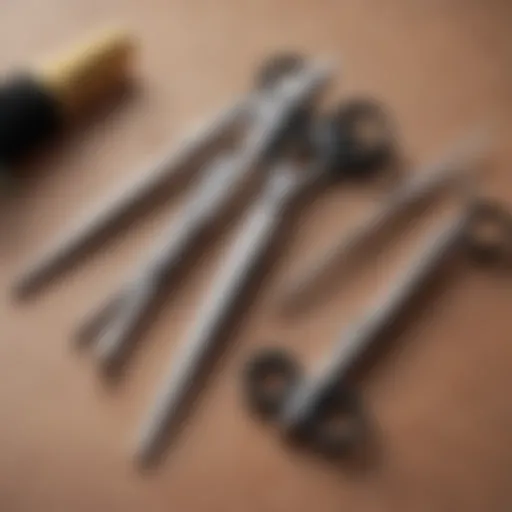
When you think about hair styling, shears often come to mind immediately. Shears are designed for cutting hair, allowing for precision in length and shape. However, they can lack the flexibility and control that a hair thinner comb offers. This comb helps in thinning out hair without necessarily removing a lot of length, which is crucial if one desires to maintain volume while achieving a more manageable style.


Here are some key differences:
- Functionality: Shears cut hair, while hair thinner combs control thickness. If your goal is to reduce bulk rather than trim length, a thinner comb might serve you better.
- Technique: Using shears requires a certain skill level. Mistakes can lead to an uneven haircut. Conversely, combs allow for a more forgiving user experience, letting you take thin sections of hair to blend, using less effort.
- Styling Options: In many cases, after thinning the hair, a stylist can use a comb to layer or add texture, creating depth and movement that shears alone may not accomplish.
The dynamics of hair styling often benefit from mixing both tools, as experienced stylists frequently switch between them based on client requirements. It’s crucial to know when to use each tool for optimal results.
Different Types of Combs and Their Uses
Beyond hair thinner combs, several types of combs are available, each designed for specific purposes. Understanding these different types is essential for maximizing your styling potential. Here’s a look at the most popular comb styles:
- Wide-Tooth Combs: Great for detangling wet hair without causing breakage, wide-tooth combs are soft on the strands, making them a must-have for those with curly or frizzy locks.
- Fine-Tooth Combs: Used for smoothing and finishing styles, fine-tooth combs are great for detailed work. They are perfect for creating sleek looks, although not ideal for thick hair.
- Rat-Tail Combs: Often used for sectioning hair while styling, these combs feature a long tail that helps separate hair effectively, ideal for intricate designs or updos.
- Teasing Combs: If volume is your goal, teasing combs are designed specifically to lift hair at the roots and add texture.
"Understanding the differences in styling tools will give you the upper hand in achieving your desired look effectively and efficiently."
Selecting the appropriate tool helps not only in practical terms but also ensures that the final hairstyle meets aesthetic goals without compromising hair health. Pay attention to these factors to make the right choice in your hairstyling journey.
User Experiences and Testimonials
When it comes to hair thinning tools, personal experience can often speak louder than facts and figures. User experiences and testimonials bring a real-world perspective, shedding light on how hair thinner combs affect daily grooming. Those who have actually tried these unique combs offer insights that case studies or research papers may overlook. With a diverse array of hair types and styling preferences, the importance of these lived experiences is paramount. They can influence purchasing decisions, highlight effective techniques, and reveal unexpected benefits.
Personal Stories
Across various forums and social media, individuals share their transformations after incorporating hair thinner combs into their routine. For instance, a user named Linda, who has thick, curly hair, spoke about her initial hesitance but was pleasantly surprised when she found the right comb. She described feeling like she was handling a new volume of hair altogether, as the comb helped to soften the density without sacrificing shape. This adjustment not only simplified her styling process but also significantly reduced the time she spent grooming each morning.
Another testament comes from Jack, a man with fine hair who often aimed for a fuller look. His story reflects how he learned a particular technique for blending shorter layers with longer strands using a comb with wider teeth. As Jack recounted, the tool turned his hair into a manageable masterpiece. These kinds of stories underline the comb's capability to transform not just hair, but people's confidence in their appearance.
Expert Opinions
Expert opinions further enrich the narrative surrounding hair thinner combs by providing an industry perspective. Renowned hairstylist Lisa Morgan emphasized the comb's ability to deliver precise results while maintaining the integrity of the hair. She mentions that, unlike traditional shears, the comb allows for a more controlled thinning approach, preventing damage from overcutting. This is particularly important for clients with varying hair textures.
Additionally, dermatologists often weigh in, endorsing the use of hair thinner combs as a way to avoid common styling stressors such as excessive heat or tension from regular brushing. They recommend using hair thinner combs for their ability to deliver soft finishes while enhancing manageability. According to Dr. Emily Chang, a specialist in hair care, adopting this tool can lead to healthier hair in the long run, making it a worthwhile investment for anyone aiming to maintain their tresses while achieving that stylish look.
"User experience combined with expert opinions forms a solid foundation, guiding individuals toward smarter grooming decisions."
In summary, personal testimonials and expert insights work together to elevate the understanding of hair thinner combs, validating their role in modern grooming. These stories resonate deeply, encouraging potential users to take the plunge and explore the advantageous world of hair thinning tools.
Future Innovations in Hair Thinning Tools
Looking ahead, the realm of hair thinning tools is ripe for innovation. Modern grooming is an evolving field, and hair thinner combs, in particular, are gearing up to embrace new technologies and sustainable practices. This section discusses what makes future innovations in hair thinning tools so crucial. The benefits of these advancements not only promise refined techniques and better results but also consider environmental impacts, catering to a growing number of consumers seeking eco-friendly choices in their grooming routines.
Technological Advances
Technological progress in grooming tools has always pushed the envelope. Improving hair thinner combs is no exception. One area gaining traction is digital technology. Imagine a comb equipped with sensors that analyze your hair's health, detecting thickness and even moisture levels. Such tools can recommend the ideal thinning technique or settings, providing a customized grooming experience that adapts to your needs in real-time.
Emerging materials, such as graphene, promise lighter and stronger combs, enhancing user comfort while ensuring durability. Beyond material enhancements, manufacturing processes are becoming increasingly advanced, integrating 3D printing, which allows for personalized designs tailored to individual users. As customization becomes more prevalent, we may see combs specifically designed for different hair textures and styles, allowing for a truly bespoke grooming experience.
"The future of hair thinning tools must merge precision with personal care, as technology enables users to engage more deeply with their grooming routines."
Eco-Friendly Options
As more people become environmentally conscious, the beauty and grooming industry has begun shifting towards sustainable practices. The future of hair thinner combs is no different. In the upcoming years, we can expect to see options made from biodegradable materials, minimizing their impact on the environment. Manufacturers are looking at options like recycled plastics and natural composites, which could reshape the market for grooming tools.
Moreover, the focus on minimal waste production processes will likely lead to reusable and refillable systems, making hair thinning not just a beauty solution but also an eco-conscious choice.
Additionally, industry collaboration towards eco-certification is becoming more vital. Information on responsible sourcing and manufacturing will help consumers make informed choices while encouraging brands to uphold higher standards in their production practices.
By integrating sustainability with style, the hair thinning industry can appeal to not just the fashion-forward but also to the environmentally-aware consumer, creating a win-win scenario.
In summary, the future of hair thinning tools looks bright—with technological innovations enhancing precision and customization while eco-friendly options ensure we leave a lighter footprint on the planet.
End
In any discussion of grooming tools, hair thinner combs hold a significant position. They are not merely accessories but essential implements that facilitate various aspects of hair styling. This article has traversed the depths of their design, functionality, and practical applications.
Summarizing Key Points
To summarize, hair thinner combs are characterized by their unique construction which allows for effective hair thinning without compromising the overall health of the hair. Throughout this piece, we've looked into how their material composition can impact both performance and user experience. We've seen how they work in tandem with various techniques for thinning hair effectively. Whether for improving manageability or for crafting intricate styles, these combs offer numerous advantages:
- Enhanced Control: They enable stylists and users alike to tackle unruly locks with ease.
- Versatility: Suitable for various hair types, making them accessible to a broad audience.
- Minimized Damage: Unlike other methods such as shearing with scissors, combs can achieve thinning in a manner that's generally gentler on the hair.
Final Thoughts
As styles continue to evolve, so too do the tools we use to express them. Hair thinner combs exemplify this evolution, blending traditional techniques with modern grooming needs. For those invested in maintaining a stylish appearance, understanding and utilizing hair thinner combs can be a game changer. They not only facilitate a slick look but also foster a routine that ensures hair health remains at the forefront of grooming practices. By integrating such tools into grooming regimens, both professionals and enthusiasts can achieve desired results more seamlessly, making hair thinner combs an invaluable addition to any grooming arsenal.