Exploring Soft Focus Filters in Fashion Photography
Intro
In the world of fashion photography, where capturing the essence of style, beauty, and creativity culminate, techniques and tools play a pivotal role. One such tool that has graced the photography realm is the soft focus filter. This particular technique transcends mere aesthetics; it weaves a textured narrative that resonates deeply within fashion imagery.
Soft focus filters have a unique ability to soften edges and create a dream-like quality, often lending themselves beautifully to portraits and fashion shots. The allure of this technique stems from its history, where photographers utilized it not just for style but to convey emotions and stories. The application stretches beyond the click of a shutter; it dives into understanding how to manipulate light, tone, and texture.
As we dive deeper into the intricacies of soft focus filters, we will also explore some latest trends in fashion that marry well with this technique, effectively enhancing the storytelling component of images—showcasing both the artistry and technicality that lies at the heart of fashion photography.
Understanding Soft Focus Filters
Soft focus filters occupy a special space in the realm of fashion photography, often acting as a bridge between raw imagery and a dreamy narrative. Their significance in the field highlights an interplay between artistic expression and technical mastery, making them essential tools for photographers who aim to evoke specific emotions through their visuals. By manipulating light and focusing, these filters can redefine how fashion is interpreted on the lens, creating images that are less about precision and more about atmosphere.
The main allure of soft focus filters is their ability to add an ethereal quality to photographs. They contribute not only to the aesthetic appeal but also help in enhancing the subject's features by softening harsh lines and allowing for a more flattering representation. Thus, understanding these filters isn't merely about grasping a technique; it's about appreciating how these filters can elevate a simple photograph into a compelling piece of art.
The following sections will illuminate the definition and purpose of soft focus filters, as well as unveil the mechanics behind how they operate. This knowledge is vital for anyone keen on enhancing their photography skills, particularly in the highly visual world of fashion.
Definition and Purpose
Soft focus filters are optical devices that slightly blur the image projected onto a camera's sensor or film. Their primary purpose is to create a softer image, which can lend a romantic or nostalgic vibe to the scene. This effect is created by diffusing the light entering the camera, which in turn smooths out any sharp edges and details without completely losing the essence of the subject.
When utilized effectively, soft focus filters can:
- Enhance the beauty of the model or product being shot, making them appear more flattering.
- Create a unique atmosphere that sets the mood for the photograph, whether it be whimsical, ethereal, or vintage.
- Guide the viewer's eye towards specific elements within the composition, often emphasizing features like fabric textures or intricate designs.
In the context of fashion photography, the purpose of soft focus filters extends beyond mere aesthetics. They can help tell stories, capture fleeting emotions, and convey a sense of intimacy that sharper images might negate. This makes them indispensable in creating powerful fashion narratives.
How They Work
The functioning of soft focus filters involves a few optical principles, primarily manipulating light's interaction with the camera lens. These filters typically consist of a frosted glass or a special coating that alters the light rays passing through them. When you attach a soft focus filter to your camera, it introduces a subtle blur around the image edges while keeping the center relatively sharper.
Several factors affect the degree of softness:
- Filter Type: Different designs—like diffusion filters or star filters—can create various effects.
- Camera Settings: Aperture sizes play a crucial role; wider apertures tend to yield more pronounced softness.
- Shooting Distance: The proximity of the subject can dictate how much softness is applied.
Such filters can be used creatively. For example, a photographer might choose to use a stronger filter when shooting portraits to achieve a dreamy and flattering effect, while using a lighter touch for fashion lookbooks where detail is still important. Ultimately, understanding how these filters operate will allow photographers to make informed decisions, ensuring that each shot aligns with their artistic vision.
"Soft focus isn't about ambiguity; it's about highlighting the emotion and story behind the image." - Anonymous
By mastering the nuances of soft focus filters, photographers can effectively elevate their craft, creating images that resonate with audiences on a deeper level. This understanding sets the stage for the technical exploration and historical significance of soft focus filters in the ensuing sections.
Historical Significance
The exploration of soft focus filters in fashion photography is grounded in a rich historical context. Their importance is not merely a matter of technical preference; it intertwines with cultural shifts, artistic movements, and the evolution of visual storytelling. Understanding this significance is crucial for both photographers and fashion enthusiasts alike, as it highlights the transformative power of these filters over time and how they have paved the way for new aesthetics in the industry.
Early Usage in Photography
The utilization of soft focus filters dates back to the early days of photography, finding its roots as far back as the 19th century. Initially, photographers like Julia Margaret Cameron embraced a soft focus approach to promote romanticism in their portraits. This technique stripped away harsh lines and imperfections, focusing instead on the essence of the subject – a striking contrast to the stark realism that characterized much of early photography.
- Pioneering Experimentation: Cameron, with her innovative spirit, crafted a dreamy quality that turned sitters into ethereal beings. Her work exemplified how soft focus could evoke emotion and create narratives, pushing against conventional norms.
- Collective Movement: This trend flourished amongst the Pictorialists, artists who prioritized soft focus filters to produce painterly effects, evoking art movements like Impressionism. These photographers believed that soft focus could transcend mere representation to invoke feelings, atmosphere, and even nostalgia.

The lasting impact of early photographers using soft focus techniques laid the groundwork for contemporary practices, reminding today’s photographers that the narrative value of an image transcends technical perfection.
Influence on Fashion Visuals
As fashion photography evolved throughout the years, so too did the application of soft focus filters. The mid-20th century heralded a new era where the glamorous world of fashion began to embrace these techniques with open arms. Renowned fashion photographers like Richard Avedon and Mario Testino gradually incorporated soft focus as a vital tool in their arsenal.
- Atmospheric Portrayal: By utilizing soft focus, they crafted a sense of allure and intimacy in their images, giving life and depth to garments that might otherwise appear flat. For example, soft focus adds an element of mystery to a portrait, allowing viewers to engage more emotionally with the subject.
- Trendsetting Aesthetic: The filtering technique shaped iconic fashion imagery, often seen on magazine covers, where the aim was to captivate readers with a blend of fantasy and reality. This artistic choice influenced not only what consumers wanted to see but also how brands conveyed their messages in print and digital environments.
"Soft focus transforms the ordinary into the extraordinary, presenting a beautiful narrative that captivates the viewer."
In summary, the historical significance of soft focus filters in fashion photography lies in their evolution from a romantic technique to a staple in modern aesthetics. The seamless blend of art and fashion through these techniques speaks volumes about the media's ability to shape perceptions and forge connections in the visual landscape.
Technical Aspects of Soft Focus Filters
The realm of soft focus filters holds an undeniable significance in the world of fashion photography. These tools are not merely accessories; they embody a transformative capability that shapes visuals in profound ways. When photographers choose to incorporate soft focus filters, they are essentially making a statement about the mood, emotion, and narrative of their work. Understanding the technical aspects of these filters illuminates their role in crafting images that resonate with viewers.
Types of Filters Available
Diving into the specifics, one can categorize soft focus filters into several types, each with unique characteristics and effects:
- Frosted Filters: These filters have a coarse surface that scatters light, creating a dreamy blurriness that softens skin imperfections. Popular among portrait photographers, they add a gentle touch without losing too much detail.
- Diffusion Filters: Made from materials with light-scattering properties, these filters provide a more ethereal feel. Designers like Tiffen offer various diffusion options that allow photographers to experiment with light dispersion further.
- Special Effects Filters: Some brands produce filters with intricate designs or holographic effects. Such filters can impart a surreal aesthetic to fashion imagery, pushing creative boundaries.
The choice of filter should align with the vision behind the photo shoot. It’s essential to consider how each type affects the final image's texture and mood. Their application isn’t just about aesthetic value; it ties directly into the photographer's intent and storytelling.
Choosing the Right Filter
Selecting the right soft focus filter boils down to understanding both technical specifications and personal artistic goals. Here are a few considerations:
- Light Conditions: A filter that works well in bright daylight may not perform similarly in low light. Knowing your shooting environment aids in choosing effectively.
- Desired Effect: Are you looking for a subtle haze or a more intense dreamlike quality? Clarity in your creative vision will guide you toward the appropriate filter.
- Lens Compatibility: Ensure the filter diameter matches your lens. Using an ill-fitted filter will compromise the quality of your image.
The right filter can elevate a photograph from ordinary to extraordinary. Photographers often test various filters to see which one complements their lenses and personal style.
Pairing with Camera Techniques
Equipping a soft focus filter is just one piece of the puzzle. The synergy between the filter and specific camera techniques can significantly impact the overall result. Here’s how to enhance images:
- Wide Aperture Settings: Shooting with a wide aperture, combined with a soft focus filter, can create stunning bokeh effects. This isolates the subject beautifully while rendering the background into a dreamy layer.
- Shutter Speed Adjustments: When using filters that scatter light, adjustments in shutter speed may be necessary to maintain proper exposure. Faster shutter speeds can help capture movement while keeping the softness intact.
- Post-Processing: Even after using a soft filter, subtle enhancements in post-processing software can enrich the final image. Adjusting contrast and brightness can make the soft focus work in harmony with the overall composition.
Combining these strategies helps photographers utilize soft focus filters to their maximum potential. The impact on the visual narrative can be significant, whether it's a high-fashion editorial or an intimate portrait session.
"In fashion photography, every detail counts. The right filter paired with savvy techniques can weave a compelling story through images."
By grasping the technical fundamentals of soft focus filters, photographers can make informed choices that resonate with their artistic vision. Advances in technology further expand these choices, allowing each creator to innovate and express themselves uniquely.
Aesthetic Impact on Fashion Photography
Understanding the aesthetic impact of soft focus filters in fashion photography is akin to grasping the very fabric of how visuals communicate emotions and narratives. These filters not only manipulate light but also mold perceptions. From the dreamy softness in a portrait of a model to the ethereal glow illuminating an outfit, the right filter can render ordinary scenes into transcendent pieces of art. This section explores the multifaceted aspects of how soft focus filters influence the aesthetic dimensions of fashion photography, highlighting the elements and considerations that photographers must keep in mind.
Creating Mood and Atmosphere
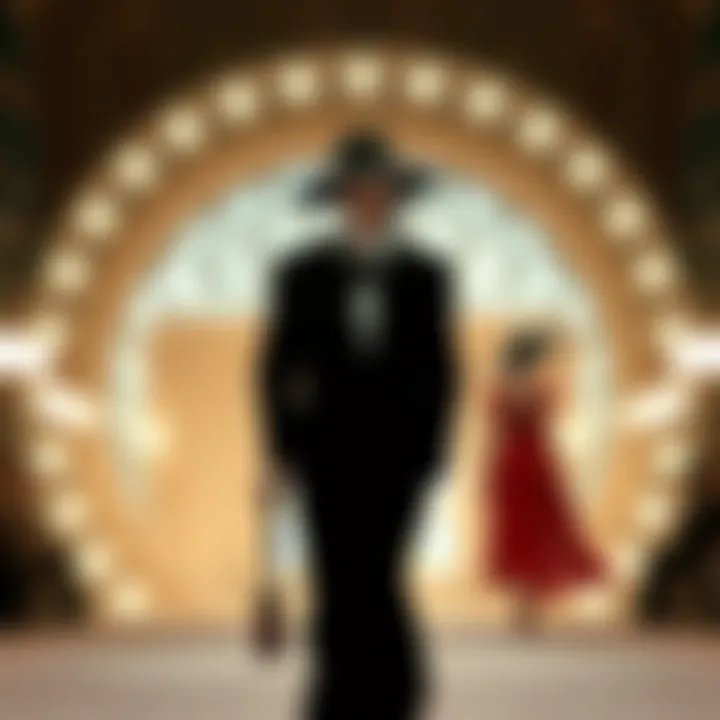
Using soft focus filters can significantly alter the mood of a photograph. Whether aiming for an air of romanticism or a touch of nostalgia, these filters play a crucial role. When photographers strategically apply a soft filter, they can create a sense of distance from the subject, making the scene feel more surreal and imaginative. This distillation of details leads the viewer's gaze to the emotional context rather than the exact visuals.
For instance, a fashion shoot featuring flowing fabrics under soft daylight can bring forth an atmosphere of tranquility, easing the harshness typical in many fashion prints. Conversely, a strong use of soft filtering can evoke an almost magical realism, enhancing visual fantasy. In such cases, the following points stand out:
- Lighting Considerations: Proper lighting paired with soft focus enhances the dreamy effect, creating depth and softness.
- Subject Selection: Choosing models with features and clothing that align with the time period or vibe ensures that the results feel cohesive.
- Colors and Tones: Soft pastels or muted colors often work seamlessly, emphasizing mood while providing a striking yet gentle palette.
Photographers engaging with soft focus should keep in mind that the ultimate goal is to draw the viewer into a visual story that resonates emotionally, not just visually.
Emphasizing Textures and Details
When it comes to enhancing textures, soft focus filters might seem counterintuitive, but they serve a unique purpose. They soften harsh edges while allowing the essence of textures to breathe. The art lies in capturing the interplay of light and shadow without losing the fabric’s richness and clothing's detail. Through soft filtering, textures seem to blend and flow rather than compete for attention.
In fashion photography, this aspect becomes crucial during shoots that emphasize materials such as silk, lace, or leather. Soft focus can subtly highlight these textures without making them overpowering. Key considerations include:
- Balanced Use: Too much soft focus can wash out details; a delicate touch is critical. Finding that sweet spot ensures both texture recognition and soft lines.
- Layering Effects: Oftentimes, multiple layers from soft focus filters can enhance fabric richness, giving the final image a distinct feel of depth.
- Contextual Relevance: Matching the softness of the focus with the environment or the narrative being portrayed ensures that textures amplify rather than distract.
"The essence of photography lies in how one perceives and presents the world. With soft focus, it is about crafting emotional narratives through visuals."
Practical Tips for Implementing Soft Focus
When it comes to fashion photography, the use of soft focus filters can add a touch of dreaminess that enhances the overall aesthetic. This section will dive into practical tips that can help photographers effectively implement soft focus techniques in their work. By understanding how to set up shots correctly and use post-processing methods, photographers can achieve splendid results that captivate their audience.
Setting Up Your Shot
Setting the stage is crucial in any form of photography, and soft focus is no different. There are several key elements to consider while preparing to take your shot.
- Lighting: Soft natural light can make a world of difference. Late afternoon sunlight or overcast days can create a soft glow that works well with a soft filter. Avoid harsh angles and direct light as it can cause a stark contrast rather than the desired dreamy effect.
- Focus Points: Decide what should remain sharp in the image. Often, this is the subject's eyes or essential elements of the scene, while the background can take on a softer look. Position your camera focusing on the eyes, and let the rest of the frame embrace the soft focus.
- Distance: Keep your distance from the subject in mind. Applying a soft focus filter can often blur details too much if you're too close. Shooting from a bit farther can help maintain some sharpness where it’s needed while still enjoying those lovely blurred areas.
- Composition Techniques: Pay attention to framing your subject artistically. Using layers, such as a blurred object in the foreground, can introduce depth and enhance the ethereal feel of the photograph.
By focusing attention on these practical elements, photographers can create more impactful images that speak to the viewer on a deeper level.
Post-Processing Techniques
After capturing the image, the next step is refining it through post-processing. Several techniques can help simulate or enhance the soft focus effect, resulting in a polished final product.
- Blur Filters: Using tools in software like Adobe Photoshop or Lightroom, apply a Gaussian blur selectively. Feathering the edges ensures that the transition between sharp and soft areas feels seamless.
- Layering Techniques: Open your photography software and create additional layers. This allows you to work non-destructively, blending sharp and soft focus versions of the image until you achieve the right look.
- Color Adjustments: Sometimes soft focus can be enhanced by playing with colors. Increasing warmth can help your images feel inviting, whereas cooler tones can lend an air of mystery.
- Vignette: Adding a subtle vignette helps guide the viewer's eye towards the subject. This can enhance both mood and focus in soft images without sacrificing the dreamy quality.
By mastering these post-processing techniques, photographers can elevate images from ordinary to extraordinary, ensuring that their creative visions come to life.
Soft focus techniques might require a delicate balance between clarity and blur, but with the right approach, they can turn a good photograph into a stunning visual narrative.
Understanding both the setup of the shot and the final tweaking in post-processing will empower photographers to wield soft focus filters with confidence, suitably merging artistry with technique.
Critique of Soft Focus Filters
When we analyze the role of soft focus filters in fashion photography, it’s essential to strike a balance between their artistic appeal and practical applications. Soft focus can elevate pictures by adding a layer of dreaminess and age, but it also comes bearing some criticisms that professional photographers must consider. Here we delve into the critiques surrounding these filters, discussing their importance in today’s digital photography landscape.
Relevance in Digital Photography
In the age of digital photography, the relevance of soft focus filters shouldn’t be underestimated. Even with all the advancements in software editing tools, many still argue that nothing beats the organic effect a physical filter offers during the shoot itself. The landscape of photography has certainly evolved.
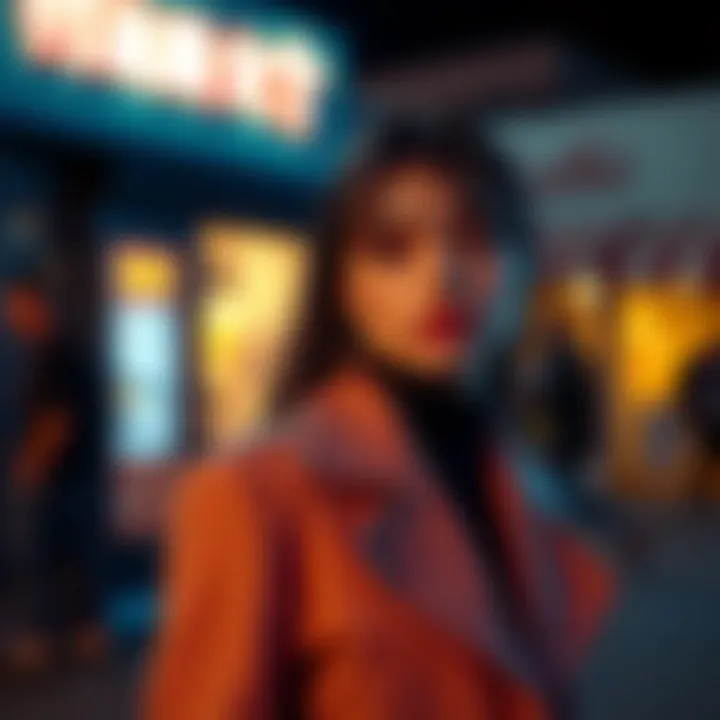
With high-resolution cameras capable of capturing minute details, there is a pervasive trend toward hyper-realism. Yet, this does not mean soft focus is dismissed. The ability of these filters to create a refined haze can beautifully soften features that might appear too stark when using high definition images alone. This is particularly evident in fashion photography, where the distinctive lines in garments can often overwhelm the subject’s natural beauty.
- Organic Effects: A filter provides a unique texture that even the best editing software finds hard to replicate.
- Timing of Applicability: The beauty of using these filters is that they work in-the-moment, saving time during post-processing.
Ultimately, the decision to use a soft focus filter revolves around the intended mood and message the photographer seeks to convey. Often conveying a sense of elegance, soft focus suits editorial pieces that appeal to emotions over raw, stark realism. It calls for careful consideration of the image's purpose and the story it intends to tell.
Audience Perception and Trends
In the realm of fashion, understanding audience perception is paramount. Trends in photography, just like fashion itself, ebb and flow. Presently, there has been a resurgence of interest in retro aesthetics, with many fans drawn to vintage styles and techniques from bygone eras. The usage of soft focus can often evoke nostalgia, appealing to an audience that craves a connection to the past.
When analyzing how audiences perceive soft focus, we find a spectrum of reactions:
- Appreciation for Artistic Interpretation: Some viewers embrace soft focus for its ethereal quality, enjoying how it can transform an everyday outfit into something almost fantastical.
- Skepticism About Authenticity: Others may question the authenticity of the imagery, viewing soft focus as a method of obscuration rather than enhancement.
- Trendsetting Influence: Notably, social media platforms often showcase soft focus moments, particularly within influencer circles. The popularity of platforms like Instagram has spun a web of influence where photographers blend this technique seamlessly into their portfolios, ultimately shaping audience expectations.
To sum up, the dialogue surrounding soft focus filters in fashion photography is rich and multifaceted. While they remain relevant, their acceptance is often tied to changing aesthetics and the ways in which audiences consume and interpret visual content. They can enhance the overall delivery of a visual narrative but must be employed with purpose.
Future of Soft Focus in Fashion Imagery
The future of soft focus in fashion photography seems to be an unexplored avenue ripe with potential. With new technologies surfacing daily, the tools available for photographers to create mesmerizing visuals are becoming increasingly sophisticated. Soft focus filters, once perceived as a vintage technique, now hold a promising role in enhancing modern aesthetics, making them particularly relevant in today’s fashion imagery.
Emerging Technologies
In the realm of soft focus, technology is evolving faster than a cat on a hot tin roof. Digital filters and post-editing software have taken the concept of soft focus much further than the physical glass filters of yesteryears. For instance, programs like Adobe Photoshop and Capture One allow photographers to manually adjust softness and clarity post-shoot, offering more creative control. Furthermore, the rise of artificial intelligence in image processing suggests that we may soon have filters that intelligently analyze the scene and apply soft focus variations tailored to individual compositions.
With such advancements, the challenge for photographers will be to strike a balance between tech and artistry. Considerations like David Bailey, who famously said, "You cannot throw away your creative instincts in place of your machines" hold true. Indeed, the future may require a mindset calculation: Are we letting the machines do too much work? The answer will shape the aesthetics of future fashion portfolios.
Integration with Modern Aesthetics
The integration of soft focus in modern fashion imagery goes beyond mere technique; it embodies a thematic exploration of emotion and mood. In an age where social media dominates visual storytelling, creating images that stand out has become essential. A soft focus effect can evoke feelings of nostalgia, romance, or ethereality. Designers and brands are starting to catch on, as evidenced by the frequent use of soft focus in editorials found in publications like Vogue and Harper's Bazaar.
Moreover, soft focus can harmonize beautifully with modern minimalist designs. For instance, campaign shoots that emphasize simple yet elegant clothing often benefit from the subtle charm of soft focus, enriching overall aesthetics without overshadowing the merchandise. An artful blend of clarity and softness can present garments in a light that feels both intimate and dreamlike.
"The brush strokes of a soft focus can whisper rather than shout, marking a compelling narrative in the highly visual world of fashion."
As the lines between digital and physical blur, the potential for soft focus filters in fashion photography becomes even more riveting. This fusion ultimately asks the questions: how does one denote authenticity, and how can filters create an approachable yet aspirational narrative around fashion?
In sum, as we gaze into the horizon of fashion imagery, the role of soft focus filters remains critical. By understanding both emerging technologies and contemporary aesthetic integration, photographers can wield soft focus as a powerful tool, crafting images that not only showcase fashion but also inform and inspire stylistic narratives that resonate across generations.
End
Soft focus filters, while often overlooked in the rapid advancement of photographic technology, hold a unique and important place in fashion photography. As explored in this article, these filters offer a way to blend artistry with technique, creating images that resonate on multiple levels. Understanding the nuances of soft focus filters can transform a simple shot into a captivating narrative, an essential skill for both seasoned professionals and aspiring photographers alike.
Summary of Key Points
- Definition and Purpose: Soft focus filters serve to soften sharp edges within an image, altering the clarity to evoke feelings rather than mere visuals.
- Historical Context: From the earlier days of photography to today’s digital realm, these filters have evolved, influencing trends and styles in fashion photography.
- Technical Aspects: Different types of soft focus filters allow photographers to choose based on their desired effect, significantly impacting the final image.
- Aesthetic Impact: By creating an ethereal mood, these filters can highlight textures and nuances that add depth to fashion images.
- Practical Implementation: Tips on setting up shots and post-processing techniques allow for meaningful integration of soft focus filters in everyday shoots.
- Critique and Future Trends: While modern photography is leaning towards sharp, high-definition images, there remains a place for soft focus. Emerging technologies promise to reimagine these filters within contemporary aesthetics.
As fashion continues to evolve, so too must our approach to visual storytelling. By embracing soft focus filters, photographers can not only enhance their technical skillset but also deepen their artistic expression.
Final Thoughts on Adoption
The adoption of soft focus filters invites a discussion about the balance between classic techniques and modern expectations in the fashion genre. It challenges creatives to consider how they can incorporate both sharp and soft elements to lead the audience on a journey through their imagery. As tastes and trends change, having the ability to utilize soft focus filters can set photographers apart from the crowd. Balancing clarity and ambiguity, they can encourage viewers to engage more deeply with the storytelling aspect of fashion.
As photographers, we must reflect on what we want to communicate through our work. Soft focus filters are a powerful tool that can help convey a distinct voice and remove the barriers that sometimes keep fashion from being accessible to all. Embracing these filters could be the key to unlocking new vistas in the evolving narrative of fashion imagery.
"In a world where everything is clear, sometimes a little blur can speak louder than the sharpest focus." - Unknown
For those ready to incorporate soft focus techniques, it could well be the transformative element that leads to stunning and compelling fashion photography.