
Mastering Pearl Knotting: Techniques for Jewelry Making
Intro
Pearl knotting is an art that transcends mere craftsmanship; it’s a legacy entwined with history and elegance. Whether you’re a jewelry aficionado or an aspiring artisan, the allure of perfectly knotted pearls stands irresistible. Pearl knotting is not just functional—it helps to preserve the pearls and elevates the entire strand’s aesthetic appeal.
In this guide, we shall embark on a journey through the intricate process of knotting. We’ll explore various methods and tools essential to the practice, shed light on different types of knots, and understand their significance. The world of pearl knotting is steeped in tradition yet continually evolving, making it relevant in contemporary jewelry design.
By understanding the art of pearl knotting, one develops a deeper appreciation for this timeless technique. This guide aims to arm readers, from beginners to seasoned professionals, with both the knowledge and the inspiration needed to delve into pearl knotting. With the right insights, anyone can elevate their jewelry creations, ensuring that they carry the stamp of unique artistry.
Prologue to Pearl Knotting
Pearl knotting isn't merely a practical endeavor; it’s an art form that embodies both tradition and innovation. In essence, it's about securing those lustrous gems while enhancing their beauty. This technique ensures that pearls not only stay in place but also create a harmonious balance in the overall design of a piece. It acts as a protective barrier—preventing friction, which can cause wear on these delicate treasures over time. Without proper knotting, the elegance of the pearls may be at risk, highlighting the importance of this age-old craft.
Definition and Importance
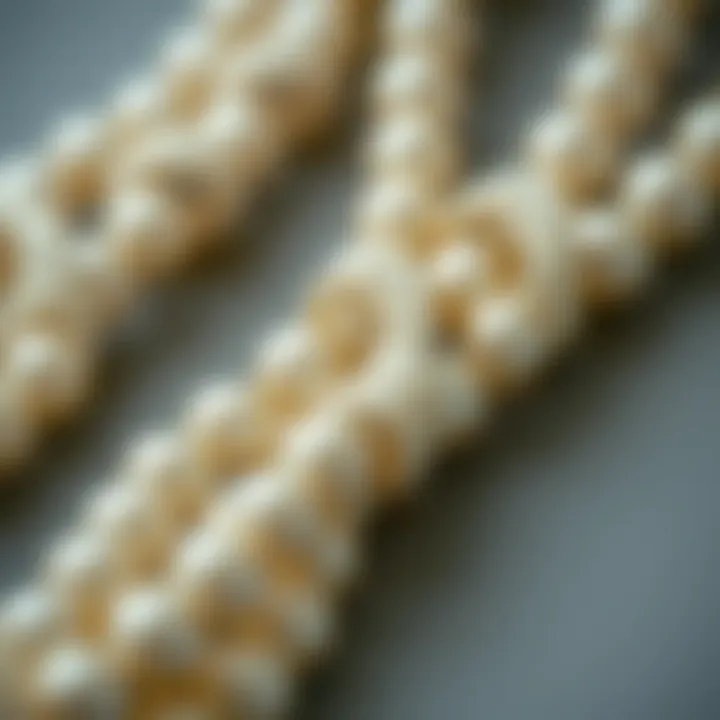
At its core, pearl knotting refers to the meticulous practice of tying knots between individual pearls on a strand, usually using silk thread or nylon. This creates spacing that keeps each pearl from rubbing against its neighbor, which could lead to scratches and damage. Furthermore, this spacing allows for a fluid drape and enhances the necklace's aesthetic appeal. Proper knotting not only safeguards the integrity of the pearls but also makes the wearer feel at ease knowing their precious adornment is secure.
To the untrained eye, the knots may seem like a trivial detail, but they hold significant weight in the world of jewelry making. Knotting keeps the ensemble safe; if a strand breaks, the knots act as barriers, preventing pearls from scattering everywhere. It’s also important for the longevity of the piece—providing both durability and style. Essentially, every pearl strung together tells a story, enhanced by the seamless art of knotting.
Historical Background
The art of pearl knotting dates back centuries, intertwined with the rich history of pearl jewelry itself. Originating in ancient civilizations, such as those in Mesopotamia or Egypt, the desire to adorn oneself with pearls has always been prevalent. These cultures recognized the opulence of pearls and began developing techniques for their use in jewelry.
As we moved through the ages, especially during the Renaissance, pearls became significantly more popular among the elite classes. This period saw enhancements in knotting techniques, driven by the growing demand for elaborate jewelry designs. Artisans honed their skills, developing various knots tailored to different styles and pearls.
Moreover, moving into the 19th century, the introduction of new materials saw knotting methods evolve further. The availability of silk threads changed the dynamics; silk offered a delicate yet sturdy option that kept the pearls perfectly in place while allowing for easy manipulation. Today, while the foundational methods remain unchanged, modern pearl knotting still honors these age-old traditions while adapting to contemporary design trends.
Knotting pearls is not just about function; it’s a testament to centuries of craftsmanship, a blend of art and science that continues to evolve.
Essential Tools for Knotting Pearls
Knotting pearls is an ancient craft intertwining beauty and technical skill. To successfully create exquisite pearl jewelry, one must have the right tools at hand. Each tool plays a vital role in ensuring a smooth, efficient, and high-quality knotting process. The objective here is to not only understand what these tools are but also how they contribute to the overall craftsmanship.
Types of Thread
Choosing the correct thread is like picking the right wine to pair with a meal; it can make all the difference. While silk has long been the traditional choice for pearl knotting, other materials are gaining popularity. Silk threads offer a beautiful drape and shimmer, while nylon threads provide added durability and strength.
Here’s a breakdown:
- Silk Thread: Soft, luxurious, and perfect for high-end pieces. It does tend to fray over time, but it creates a classic appearance that is hard to beat.
- Nylon Thread: Stronger and more resistant to wear, this thread is a good choice for everyday jewelry, especially if it's subjected to rough handling.
- Cotton Thread: This option is less common but provides a sturdy choice for larger pearls or designs where thickness matters. It's important to consider the bead size in conjunction with the thread thickness to avoid tearing.
When selecting your thread, keep in mind the overall aesthetic you wish to achieve, as well as the wearability of the finished piece.
Needles and Tools Required
Next up are needles and other tools essential for the job. Not just any needle will do; you need one specifically designed for pearl knotting. A beading needle, which typically has a longer eye, is ideal for threading the delicate silk or nylon. In addition, having a good pair of scissors is necessary for clean and precise cuts.
Here's a list of additional tools you might find beneficial:
- Knotting Tweezers: These allow for precise handling of the pearls and knots without risking damage. The finer the grip, the better.
- Beading Mat: As simple as it sounds, having a specially designed mat can keep your pearls secure and prevent them from rolling away.
- Thread Wax: This helps in keeping the thread smooth and manageable, reducing fraying while you work.
The proper combination of tools makes a world of difference, easing the knotting process and resulting in a more polished final product.
Measuring and Cutting Threads
Measuring and cutting threads isn’t just a mindless task; it requires attention to detail. The length of the thread you choose can greatly influence the final product. Too short, and you might end up frustrated; too long, and you may waste materials. A good rule of thumb is to measure approximately three times the length of the desired strand. This allows enough slack for knotting and adjustments.
When cutting the thread, here’s a checklist to follow:
- Use sharp scissors for a clean cut. Frayed edges can become a hassle later on.
- Consider using thread conditioner beforehand. It primes the thread and can prevent tangling.
- Always cut at an angle; this helps in threading and minimizes crumbling or bending of the end.
By mastering the art of measuring and cutting, you're setting yourself up for success before even starting on the knots.


"The right tools make all the difference. With the proper preparation, your pearl knotting becomes not just a task, but a craft."
Incorporating these tools effectively into your pearl knotting practice is essential. As you advance in skills, these tools will serve not just as assistance but also as companions in your journey toward creating timeless pieces of jewelry.
Techniques of Pearl Knotting
In the world of jewelry making, particularly with pearls, the choice of knotting technique can define not just the aesthetics of the piece, but also its durability and wearability. Learning various knotting techniques is essential as they serve a dual purpose: they enhance the visual appeal of the pearls while ensuring they are safely and securely strung. A knowledgeable jewelry maker understands the significance of these techniques, recognizing that a properly knotted strand can prevent wear from friction that ultimately leads to damage. One must consider the type of pearls being utilized, the thickness of the thread, and the overall design when selecting a knotting method.
Basic Knotting Methods
Before diving into advanced techniques, it's crucial to get a grasp of the basics. The simplest knots often center around two main types: the single knot and the double knot. These foundational knots are the bread and butter of pearl knotting and serve as an ideal starting point for beginners.
- Single Knot: This is the easier method, where a simple overhand knot is placed between each pearl. This method is straightforward but lacks the added security needed for heavier strands. It's ideal for lighter strands or when creating a more casual look.
- Double Knot: By tying two simple knots, you create additional stability. This is crucial for preventing any chance of pearls sliding together, especially in longer necklaces. The double knot acts as a buffer, minimizing the impact of friction, which can sometimes lead to breakage or damage over time.
Both of these knots can be executed with minimal tools, making them accessible for those first steps into pearl knotting. However, while simple, they should be practiced until perfected, as the precision of these knots significantly influences the overall quality and durability of the finished piece.
Advanced Knotting Techniques
For seasoned jewelry makers, mastering advanced techniques takes knotting to a whole new level. These methods require a steady hand and a discerning eye for detail, but the payoff can be substantial in terms of aesthetic appeal and the integrity of the jewelry piece.
- Sliding Knot: It's an interesting method that allows for adjustable lengths. This contemporary style is particularly popular in charm bracelets or pieces intended for layering. The sliding knot gives versatility, adapting to various lengths depending on the wearer's preference.
- Lariat Knot: Often used in designs that call for a longer strand, the lariat knot creates a beautiful, fluid look, tying off the ends of the pearls with a flourish that invites one to explore more.
- Tension Knot: This technique is a bit complex but essential in certain designs to distribute the weight of heavier pearls evenly. It safeguards against too much pressure being placed on any single knot, thereby extending the lifespan of the jewelry.
Taking the plunge into these advanced methods enhances not only skill but also creativity in your designs. A well-knotted pearl strand becomes an artwork, echoing the time and care poured into each step.
Whether a novice or a seasoned artisan, understanding these techniques integrates both functionality and art into pearl knotting. One is not merely stringing pearls; they are creating a lasting legacy that balances elegance with the science behind craftsmanship.
"In the world of pearls, how you knot makes all the difference between a simple strand and a treasured heirloom."
As you explore the art of pearl knotting, keep in mind that each knot tells a story of labor and love, translating mere beads into beautiful pieces of wearable art.
Types of Knots Used in Pearl Jewelry
Understanding the different types of knots used in pearl jewelry is vital for any jewelry maker. The right knot not only enhances the aesthetic quality but also contributes to the durability and longevity of the piece. Each knot offers distinct benefits and considerations that cater to various designs and styles.
Single Knot
The single knot is a cornerstone in pearl knotting technique. It serves as the most basic and commonly used type of knot. This knot involves tying a single loop, which holds the pearls in place while providing adequate flexibility. What makes the single knot particularly appealing is its simplicity—it's straightforward to execute, even for novices. However, it doesn’t provide a high degree of security against pearl movement, which may pose a risk over time, particularly with more delicate strands.
Tip: When creating a piece using the single knot technique, ensure that your knots are tightly made. Regularly check for gaps, as this can help prevent any unwanted wear or movement.
Double Knot
The double knot is where security meets style. This method encompasses two loops, nestling pearls tightly together, which can prevent them from causing friction against each other. The additional knot not only augments the strength of the strand but also imparts an aesthetic charm, making it a more polished choice for high-value pearl collections. One must keep in mind that the double knot can be slightly bulkier than the single knot, which might affect the overall drape of the piece.
Crafting double knots involves a bit more finesse, particularly in keeping the knots evenly spaced. For those wishing to make a statement while safeguarding their pearls, this knot can be an ideal choice.
Knots for Different Pearl Sizes
Pearl size plays an essential role in the knotting process. Larger pearls require larger knots to maintain stability, while smaller pearls can utilize smaller knots for a more delicate appearance.
When working with smaller pearls—such as those used in bracelets or intricate necklaces—single knots can suffice to maintain a delicate appearance. Conversely, if you are dealing with larger or more substantial pearls, the double knot becomes pivotal, as it offers enhanced support and minimizes the risk of the pearls moving in ways that could lead to chipping or damage.
Understanding the size of the pearls not just affects the knotting technique but also informs the choice of thread and needle, which should correspond with pearl size for optimal results.
In summary, selecting the appropriate knot not only elevates the design but serves a functional purpose aimed at safeguarding your investment in pearls. Each knotting choice—whether it’s a single loop for quick projects, a double for security, or size-specific knottings—has its rightful place in the jewelry-making arena.
The Role of Knotting in Pearl Integrity
Knotting is not just a craft; it's a commitment to preserving the beauty and integrity of pearls in jewelry. When you think about it, pearls are delicate and require careful handling, which makes knotting an essential element of pearl jewelry making. The beauty of a pearl is often accompanied by a certain vulnerability. Therefore, proper knotting is key to ensuring that each bead maintains its lovely shine and luster without succumbing to wear and tear over time.
Preventing Friction and Damage
One of the main roles of knotting is to act as a buffer— a protective layer against the friction that can occur between pearls. Without knots, pearls can rub against each other when worn, leading to unsightly scratches and potential damage.
- The knots create distance between each pearl, preventing unwanted movement that could cause wear.
- Additionally, should a strand break, the knots will ensure that only one pearl falls loose rather than the entire collection, safeguarding the jewelry and providing peace of mind for the wearer.
- For instance, consider a string of vintage pearls. Over the years, continuous movement can lead to minor abrasions, tarnishing their beauty. Knotting not only provides that cushion but also supports the overall aesthetic by elevating each pearl, letting its individuality shine. Such attention to detail is invaluable when aiming for jewelry that tells a story.
Enhancing Durability
Knotting significantly promotes the durability of pearl jewelry. Using high-quality knotting techniques and materials results in better longevity, transforming pearls from mere stones into enduring treasures.
- The type of thread used plays a pivotal role here. For example, silk threads, often favored for their soft texture, not only provide a luxurious finish but also absorb shock, further preventing cracks or breakage.
- Over time, wear and tear can compromise any jewelry, but properly knotted pearls withstand the test of time due to their resilient structure. A well-knotted strand is like a well-built ship, capable of weathering many storms.
- Moreover, knotting helps maintain the intrinsic value. Jewelry that is well-crafted with attention to detail holds more meaning and worth, especially within the realm of heirloom pieces that may be passed from one generation to the next.
As a final note, considering the meticulous nature of pearl knotting, it’s evident that this art isn’t just about aesthetics; it’s about ensuring that those glittering gems remain as splendid and intact as the day they were strung. Thus, understanding the role of knotting is a step toward treasuring these gems for years to come.
Caring for Pearl Knotted Jewelry
Caring for pearl knotted jewelry is essential for preserving not just the aesthetic beauty of these exquisite pieces but also their longevity. Pearl jewelry often symbolizes elegance and sophistication, but this fragile material requires specific attention to maintain its luster and structural integrity. In this section, we will explore the cleaning techniques and storage recommendations that can significantly extend the life of your pearl knotting creations.
Cleaning Techniques
When it comes to pearls, less is often more. Unlike gemstones that can withstand harsh chemicals, pearls are sensitive to abrasive materials and cleaning agents. Thus, adopting the right cleaning methodologies is crucial to ensure their beauty does not fade over time.
Gentle Wipe Down
It's best to start with a simple wipe using a soft, lint-free cloth. After wearing your pearl necklace or bracelet, you should gently wipe each pearl to remove any oils or residue from your skin. This method is straightforward but effective in maintaining the natural shine of the pearls.
Mild Soap Solution
For a more thorough clean, you might consider a mild soap solution. However, it is essential to only use neutral pH soap; anything stronger could cause damage. Here’s how to go about it:
- Mix a few drops of mild soap with lukewarm water.
- Dip a soft cloth into the solution and wring it until damp.
- Gently clean each pearl, avoiding direct application on knots to prevent weakening.
- Rinse with a clean, damp cloth to remove soapy residue.
- Allow your pearls to air dry completely before storing.
Avoiding Chemicals
Ensure that you steer clear of harsh cleaners, ammonia-based products, or ultrasonic cleaners, as they can strip away the pearl's nacre, leading to dullness and possible damage. Pay attention to lotions, perfumes, or hairsprays as well; apply these before putting on your pearls to minimize potential contamination.
“A little care goes a long way. Pearl jewelry, while delicate, can shine for years if treated with respect.”
Storage Recommendations
Storing pearl knotted jewelry correctly is just as important as cleaning. Improper storage can lead to scratches, dents, or even discoloration. Here, we delve into effective methods that will keep your jewelry pristine and beautiful.
Unclasped and Separate
When storing pearl necklaces, it’s a good idea to keep them unclasped. This ensures that no unnecessary tension is placed on the knots. If you place pearls next to other jewelry, doing so can cause scratches. Instead, consider wrapping each piece in a soft cloth or placing them in individual compartments of a jewelry box.
Avoiding Direct Sunlight
Keep your pearls in a cool, dark place to avoid exposure to direct sunlight, which can cause them to fade or discolor. A jewelry box lined with fabric that doesn’t contain any metal can serve as a great option. Also, make sure the area is not overly humid; high humidity can facilitate the growth of mold or damage the knots.
Check for Knots Regularly
Periodically inspect the knots of your pearl strands. Over time, knots can weaken, particularly if the piece is frequently worn or exposed to moisture. If you notice any fraying or discoloration, it’s advisable to consult with a professional jeweler for repairs, rather than risking a complete loss.
In summary, caring for pearl knotted jewelry is no small feat, but proper cleaning techniques and mindful storage can ensure that each piece retains its radiant beauty. By taking simple yet effective precautions, you foster not just the longevity of these pieces but also the stories and moments they carry through time.
Contemporary Trends in Pearl Knotting
Pearl knotting is no longer merely a traditional craft; it has evolved into a dynamic art form that showcases a vibrant interplay between antiquity and modernity. Today's pearl knotting embraces innovative designs and the integration of other materials, reflecting changing attitudes in fashion and consumer preferences. This section will shed light on how contemporary trends are reshaping pearl knotting while keeping its core essence intact.
Innovative Designs
In the world of jewelry, innovation is the name of the game. Modern designers are no longer confined to traditional pearl strands. Instead, they’re bending the rules and reimagining how pearls can be displayed and worn.
One notable trend is the shift toward asymmetry in design. Jewelry makers are creating pieces that feature a combination of pearl sizes and colors, often arranged in a seemingly haphazard style that draws the eye. This contemporary take replaces the traditional uniformity with a more eclectic and personal expression. The idea is to evoke a sense of uniqueness that resonates with individual styles.
Another fresh approach involves the use of knots as decorative elements in themselves. Instead of simply serving a functional purpose to keep pearls in place, knots are being highlighted as distinct features of the piece. This not only enhances the visual appeal but also adds texture, transitioning pearls from the realm of classic elegance to a modern artistic statement.
As pearl knotters explore new techniques, the use of unexpected color palettes has emerged as significant. For instance, pairing classic white pearls with vibrant threads, or using dark threads to contrast lighter pearls, invites a visual tension that’s wildly appealing. This kind of exploration challenges conventional norms and opens the doors to new aesthetics.
Aside from color and shape, sustainability is becoming crucial in innovative designs as well. Many designers are now opting for ethically sourced pearls and eco-friendly threads, responding to a growing consumer demand for sustainability in fashion. By investing in environmentally conscious materials, today’s artisans reinforce the idea that style can indeed coexist with ethical considerations.
Integration with Other Materials
The merging of pearls with other materials is another captivating trend that’s gaining traction. Gone are the days when pearls floated solely in the realm of precious metals. Now, they often find companionship with leather, fabric, or even semi-precious stones. This blending creates a multidimensional experience for the wearer, combining the elegance of pearls with the rawness of other materials.
For instance, some jewelry makers are knotting pearls into leather cords, giving new context to what pearl jewelry can represent. This integration not only enhances durability but also appeals to a younger audience that values versatility and casual-chic aesthetics.
Similarly, pairing pearls with wooden beads or natural fibers like jute reflects a rustic approach to luxury. This rising trend connects jewelry wearers back to nature, cultivating a genuine feel that complements modern lifestyles.
Moreover, incorporating elements such as chains or wires with pearls introduces an industrial twist to the art of knotting. This kind of experimentation allows the wearer to transition effortlessly from daytime to evening looks with just a change in accessories.
In sum, contemporary trends in pearl knotting are incredibly diverse, marrying tradition with innovation. They invite wearers to express individuality, engage with ethical consumption, and experience jewelry in ways that reflect broader shifts in aesthetics and societal values. Whether through innovative designs or integrating diverse materials, the landscape of pearl knotting is rich and continuing to evolve.
"Innovation is not just about new ideas; it’s about doing old things in a new way." - Anonymous
For further exploration into the realm of pearl knotting, you can check reliable sources like Wikipedia or delve into detailed articles on design trends at Britannica. Interested in community discussions? Platforms like Reddit often have threads dedicated to jewelry making with valuable insights.
The Cultural Significance of Pearls and Knotting
The realm of pearls and knotting is steeped in history and cultural richness, weaving tales of beauty, power, and tradition across different societies. The significance of pearls transcends mere adornment; they symbolize various attributes and have played pivotal roles in numerous cultures over centuries. Knotting pearls, thus, becomes not simply a craft but an essential practice that enhances and preserves this symbolic meaning.
Pearls Through History
Historically, pearls have captivated mankind for thousands of years. They grace the pages of ancient texts, from the mythical tales of China, where they were believed to be the tears of dragons, to the opulent courts of Europe, where they adorned the necks of queens and were meticulously documented in royal inventories. The Romans cherished pearls as a symbol of wealth, using them to display status during feasts, while ancient Egyptians associated them with mourning and rebirth, entrusting them into tombs to accompany the deceased to the afterlife.
In Asia, particularly in Japan, pearls are integral to both trade and culture. The Japanese practice of pearl diving, known as ama, illustrates a harmonious relationship with nature, where women have harvested pearls from the ocean, often handed down through generations. Even today, the illustrious Akoya pearls are synonymous with Japanese craftsmanship, emphasizing the longstanding cultural connection with these precious gems.
The knotting aspect adds depth to this history. Knotting pearls into strands was not only a practical choice to ensure pearls stayed separated and unharmed but also reflected a deep respect for their beauty. The tradition of knotting pearls has evolved into an art form, symbolizing not just workmanship but a celebration of the pearls' cultural heritage.
Symbolism and Meaning
The very essence of a pearl speaks volumes across different cultures. It can signify purity and perfection, often representing femininity and purity in various traditions. In many Western cultures, for instance, pearls are a popular choice for bridal jewelry, embodying the grace and elegance of brides who wear them. They have been regarded as talismans that bring protection and good fortune, especially during significant life events.
In Hindu culture, pearls are associated with the goddess of wealth, Lakshmi, symbolizing wisdom and spiritual enlightenment. Wearing pearls can thus be seen as an invitation for prosperity and success.
Notably, the act of knotting corresponds with these meanings. Each knot placed between the pearls is a gesture that signifies gentleness and care. It ensures that every pearl is cradled securely, enhancing not only the aesthetics but also the spiritual significance of the piece.
Knotting, therefore, becomes more than just a technique; it represents a connection between the maker and the material. It is a reminder that pearls, unadorned and wild in nature, find their elegance when crafted with attention and intention, embodying the artistry and cultural narratives that have shaped their legacy throughout time.
“In every pearl sits a story, interlaced with the knots that bind it to history.”
Pearl knottng today remains a bridge between past and present, keeping alive this intricate bond between nature, craft, and cultural significance. Each piece created reflects the journey of tradition, the story of humanity, and the timeless allure of pearls.
Closure
When considering the art of pearl knotting, the significance of mastering this craft cannot be overstated. Knotting pearls is not merely a technique, but a vital process that safeguards the integrity and elegance of these delicate gemstones. Proper knotting provides crucial benefits; it prevents pearls from rubbing against each other, thereby reducing wear and tear. It's also an element that enhances the aesthetic appeal of the jewelry, offering a sense of sophistication that unknotted strands fail to convey. The final impression made by a piece can hinge upon the quality of its knotting, turning a simple adornment into an exquisite statement piece.
Summary of Key Points
To summarize, this guide has covered various essential aspects of pearl knotting:
- The profound historical roots and cultural significance of pearls.
- Various tools and materials needed for efficient knotting.
- Differing techniques and methods which shape the practice of knotting pearls.
- Types of knots employed, including single and double knots, all catering to different pearl sizes and designs.
- The pivotal role that knotting plays in maintaining the integrity and longevity of pearl jewelry.
- Contemporary trends that embrace both innovation and tradition in designs.
Each element described here contributes to a comprehensive understanding of pearl knotting. By appreciating these essential details, one enhances their mastery over the craft.
Final Thoughts on Pearl Knotting
As we reach the end of this exploration into pearl knotting, it becomes evident that this practice is as much an art as it is a science. While the techniques may be learned, the artistry involved is developed through practice and experience. For both novices and seasoned professionals, knowing how to knot pearls opens doors to creative expression and the potential to produce stunning pieces of jewelry.
Moreover, this knowledge serves a practical purpose; the craftsmanship in knotting upholds not just the aesthetics but the durability of the jewelry, ensuring it is cherished for generations. Remember, pearl knotting tells a story — of heritage, craftsmanship, and an enduring elegance.
"Craftsmanship is the soul of creation, and pearl knotting is its profound expression."
In the world of fashion, understanding the significance of each detail, such as knotting, may well set a designer apart in their endeavors. For those who cherish pearls, mastering knotting is not only a skill but a gateway to preserving the beauty and heritage of this timeless gemstone.